

When reports about the protection of the crested eagle appear, they usually focus on the animals themselves, one of the rarest and most majestic symbols of the rainforest, which today, with fewer than 400 individuals in the wild, is on the brink of extinction. But if you look behind the scenes, you quickly realize that the real success of this work lies in the hands of the people who fight for this species every day under the most difficult conditions.
My own journey into this project began with technology. As a manufacturer of breeding and incubation systems, I came into contact with scientists and breeders who urgently needed such equipment. Discussions with zoologists and researchers opened my eyes to how crucial reliable technology is in species conservation. Jan Hanel from Liberec Zoo and Dominik Fischer from Wuppertal Zoo gave me the decisive impetus when they asked me directly if I wanted to help with this project. Sometimes it's simple things like asking for support that get the ball rolling. Ultimately, it was Rene Wüst who brought me to ZGAP and gave me access to an international network in species conservation. From then on, there was no stopping me from entering this world. I am truly grateful to him for this, because without his encouragement, I would not have found my current path in this form.
I have been personally supporting the Philippine Eagle Foundation's program for several years and have been able to establish many valuable contacts as a result. I have been invited to Mindanao and Tacloban several times to get to know the project and the local people. For a long time, this was not possible due to external circumstances. This made it all the more significant for me that it finally worked out and I was able to see for myself how committed and dedicated the foundation and its partners are.
The monkey eagle – king of birds
The monkey eagle, known internationally as the Philippine eagle (Pithecophaga jefferyi), is one of the largest birds of prey in the world. With a wingspan of up to two meters, a body length of almost one meter, and a powerful hooked beak, it is a top predator in the rainforests of Mindanao, Leyte, Samar, and Luzon. Its characteristic crest makes it unmistakable.
The German name Affenadler (monkey eagle) is derived from the scientific name Pithecophaga, which literally means “monkey eater.” Although monkeys are indeed part of its diet, its range includes many other animals such as flying squirrels, bats, birds, reptiles, and other vertebrates. The species is endemic, meaning it is found exclusively in the Philippines, and is classified as critically endangered according to the IUCN Red List. Every two years, a pair lays only one egg, in rare cases two. Even if two eggs are laid, only one chick is raised. The egg is incubated for around 58 to 60 days, and the hatched chick stays with its parents for up to 20 months. During this time, the adult birds do not start a new brood. As a result, the population grows extremely slowly and is particularly vulnerable to losses.
Habitat loss due to deforestation, conflicts with farmers, direct persecution, hunting by the indigenous population in the mountain regions, dangers from power lines, and typhoons are among the main causes of the drastic decline.
The reality in the field is much tougher than many people imagine. In the mountains of Tacloban, where the crested serpent eagle still lives, researchers and students often spend months traveling through the rainforest. Little sleep, dangerous paths, encounters with snakes and insects, constant wetness, and arduous climbs are part of everyday life. Indigenous farmers struggle with the living conditions and at the same time face the challenge of protecting their fields while wild animals threaten their existence. Eagles are shot down time and again, sometimes out of ignorance, sometimes out of necessity. Power outages, lack of equipment, and hard-won permits are also part of the daily struggle.
And yet there are people who do not give up: the Philippine Eagle Foundation with its team in Davao, professors such as Jayson Ibañez, who take on the scientific leadership, funds such as the Mohammed Bin Zayed Raptor Conservation Fund with personalities such as Dr. Munir Virani, an internationally recognized bird of prey expert, who provide resources and expertise, as well as international partners who provide logistical and financial support. In addition, there are countless young students from Philippine universities who invest their time and energy in internships and research work, as well as international supporters, from interns from Denmark to zoologists from all over the world.
All these species conservationists, from the animal keepers at the center in Davao to the researchers in the mountains to the community teams working with indigenous farmers, do work that often remains invisible. They establish networks, organize donations, secure funding, negotiate with authorities, and find solutions to problems ranging from power supply and medical care to legal hurdles. Without the foundation and its partners, not a single chick could be raised and no reintroduction into the wild would be possible.
The moment of freedom
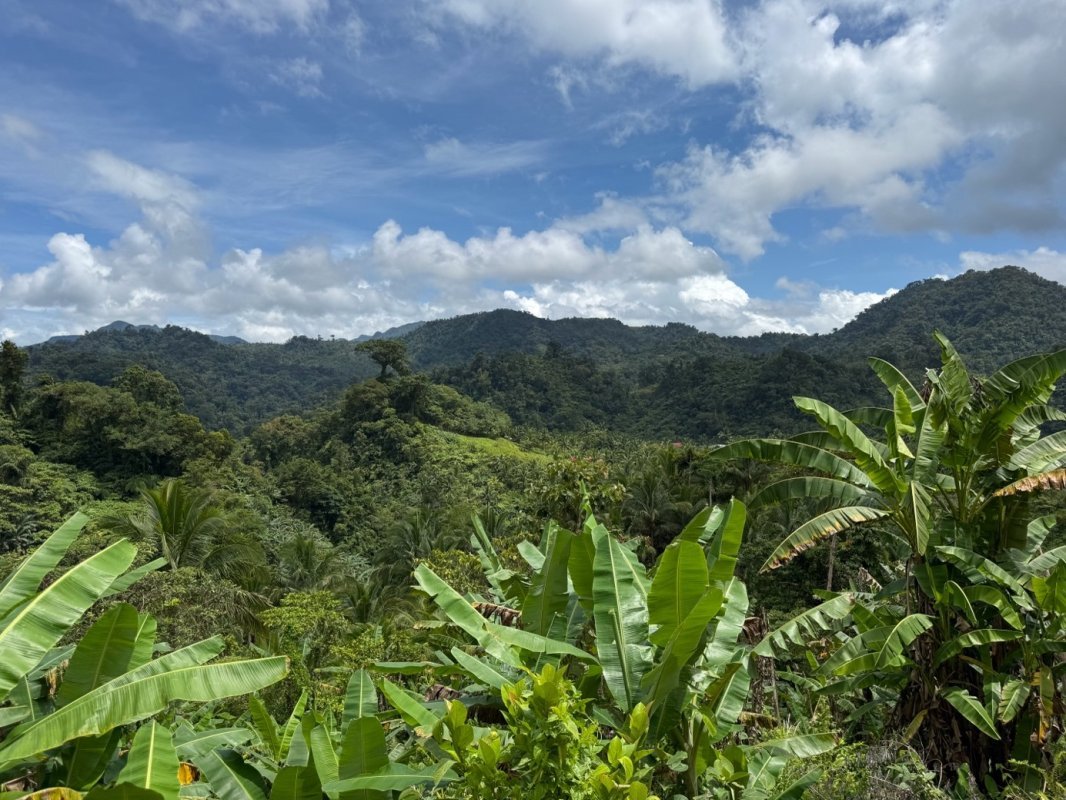
One special moment brought home to me the significance of all this work. On September 30, 2025, after months of care in a large enclosure high up in the mountains of Kagbana, a rescued eagle was released back into the wild by the Philippine Eagle Foundation and its partners. The cage was located on a hillside, with a sweeping view of a deep valley. I stood at a viewpoint opposite and watched the scene unfold in all its grandeur. As the gates of the aviary opened, the eagle spread its wings, pushed off, and glided majestically into the depths, straight into the rainforest that spread out like a green sea below.
For the local people, this was not only a biological success, but also a deeply emotional moment. The faces of researchers, students, farmers, rangers, and foundation staff reflected relief, pride, and hope. For me personally, it was one of those rare moments when you feel that everything—the efforts, the setbacks, the sleepless nights—is worth it. Because every animal that survives and returns to freedom is a victory for nature. Meeting these people is a source of deep inspiration for me. I see how our technology is used to incubate eggs, monitor young animals medically, or maintain stable climatic conditions. Without reliable technology, much of this would simply not be possible. In regions with high humidity, unstable power supplies, and difficult logistics, reliable equipment is not a luxury, but a life insurance policy for every single animal.
And yet I have learned that technology alone is not enough. It is only through the people who operate, maintain, and use it at the right moment that it can be effective. It is this interaction that makes the difference: the precision of the equipment and the passion of the people in the field.
Every animal is worth saving. The monkey eagle, considered the king of birds, is not only a symbol of the islands' biodiversity, but also a touchstone for how we treat nature and our responsibility towards it. Species conservation concerns us all, and sometimes it's the small steps that make the difference: a farmer who protects his fields differently, a community that stands up for the eagle, or a student who perseveres despite all odds.
I was particularly touched by the warmth with which I was welcomed in the Philippines by researchers, students, indigenous farmers, rangers, organizers, and especially the staff of the Philippine Eagle Foundation. I am deeply grateful to all of them. They are the real heroes of species conservation, working behind the scenes to ensure that one of the rarest and most impressive animals on our planet can have a future.
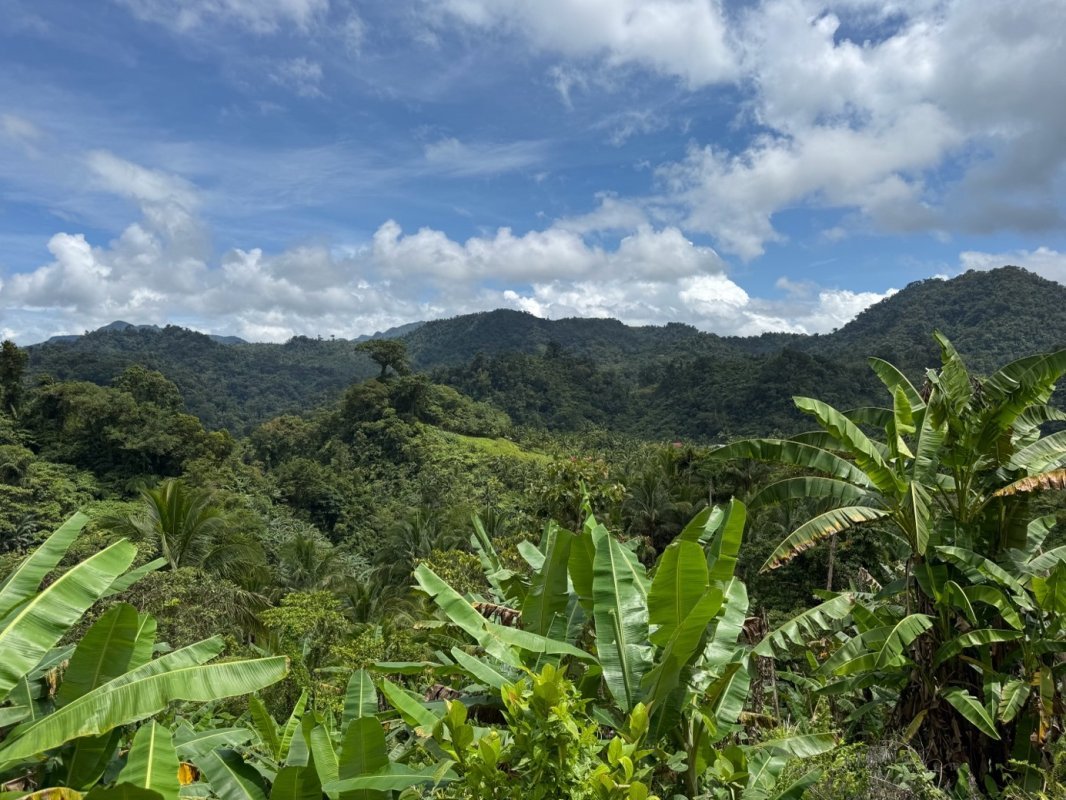
Habitat in Kagbana
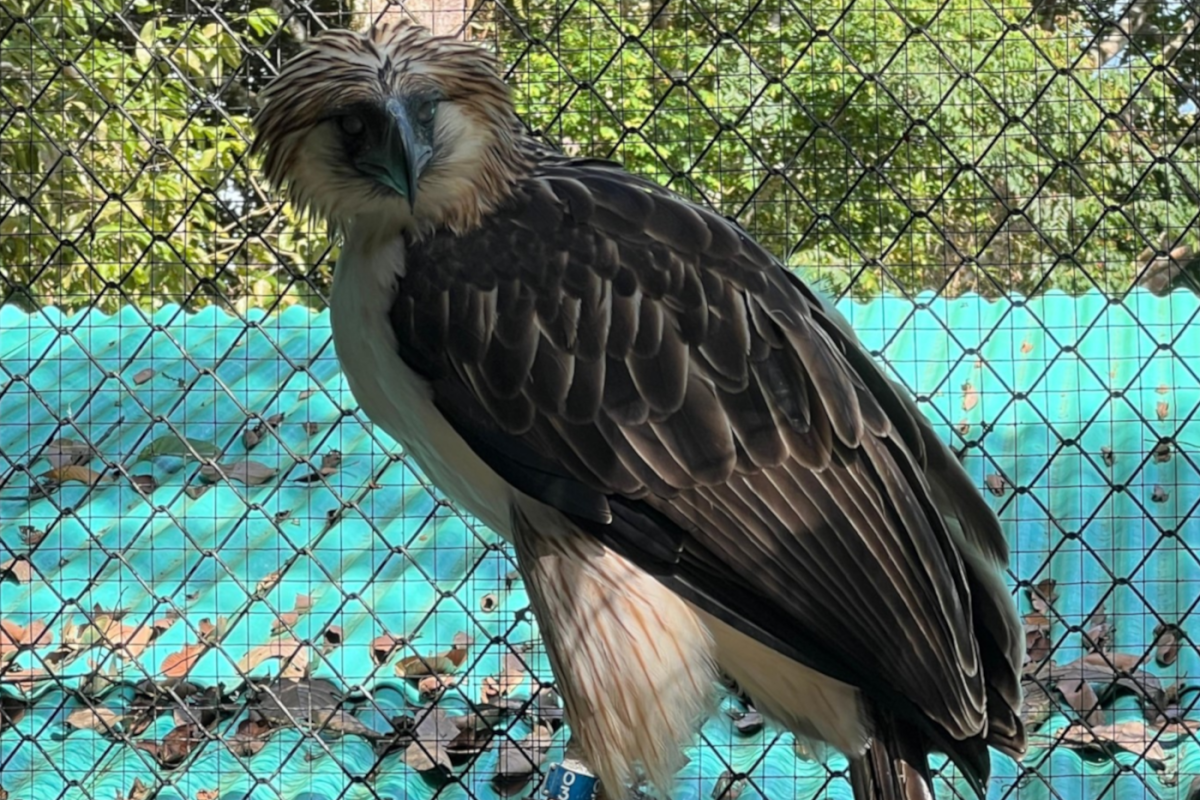
Eagles at the breeding station in the mountains of Davao at 1200m
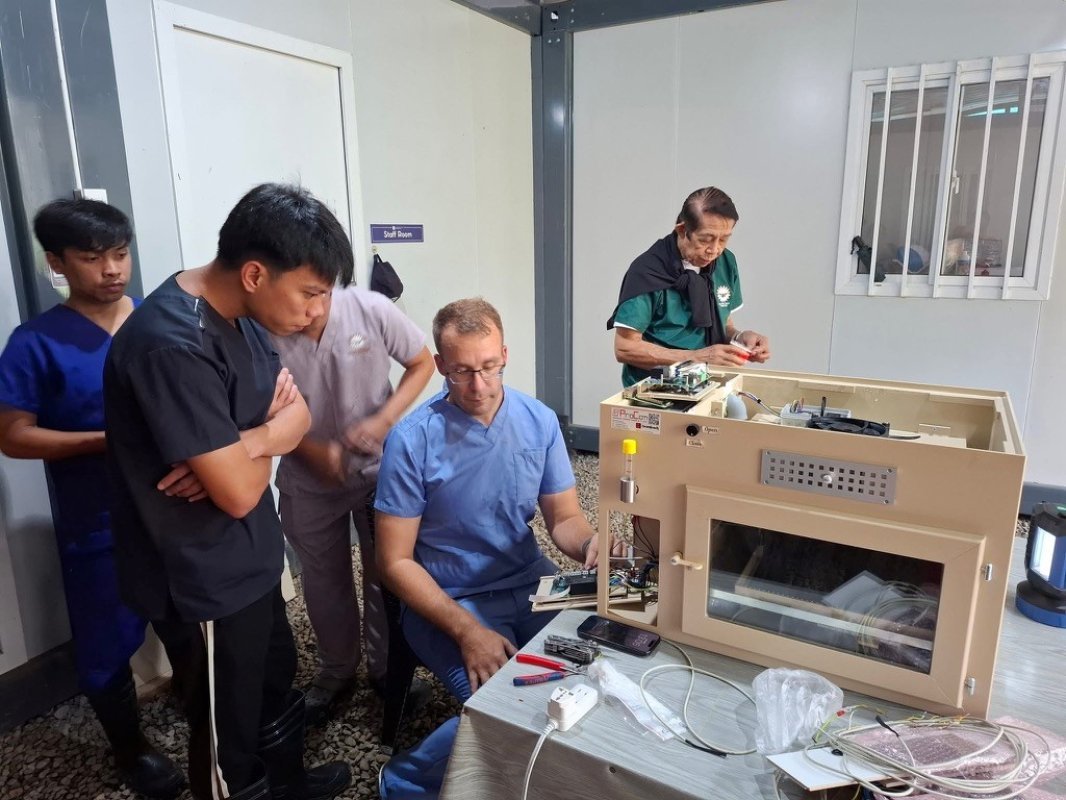
Repair and training after lightning damage
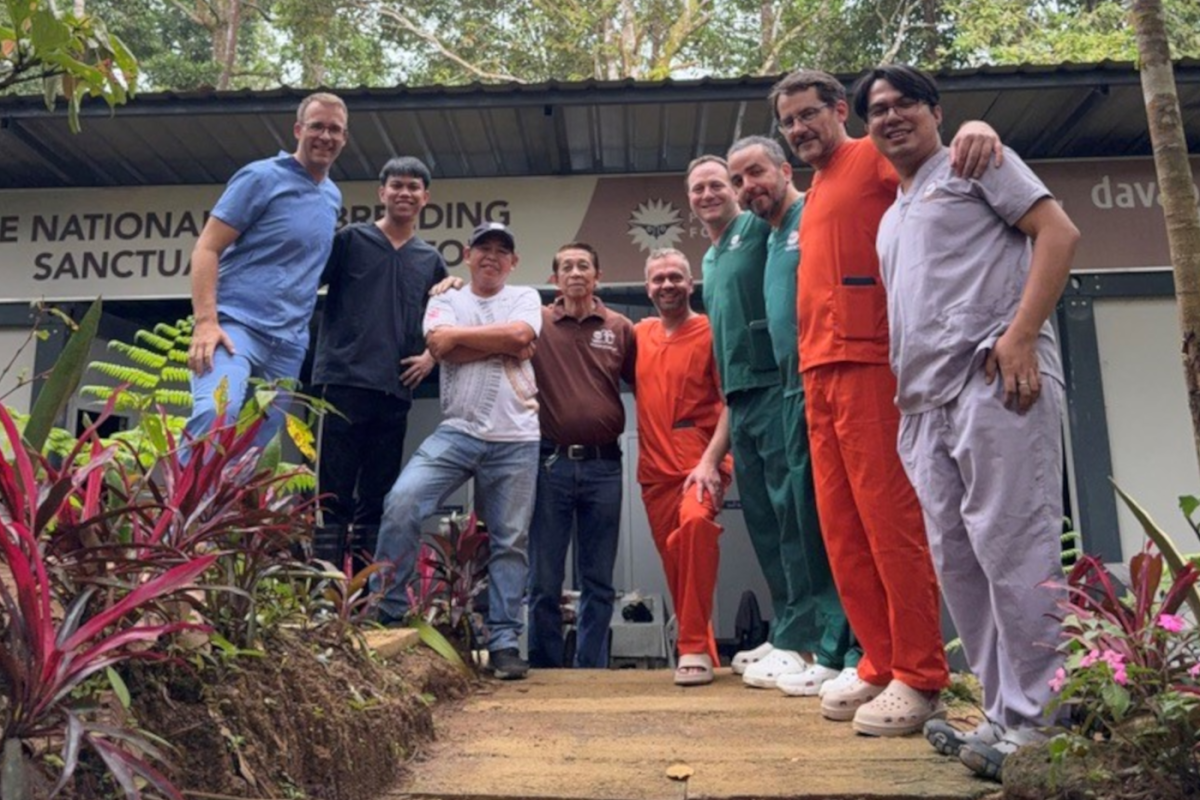
Team and support on site, Dominik Fischer Wuppertal Zoo, Jan Hanel Liberec Zoo, and more
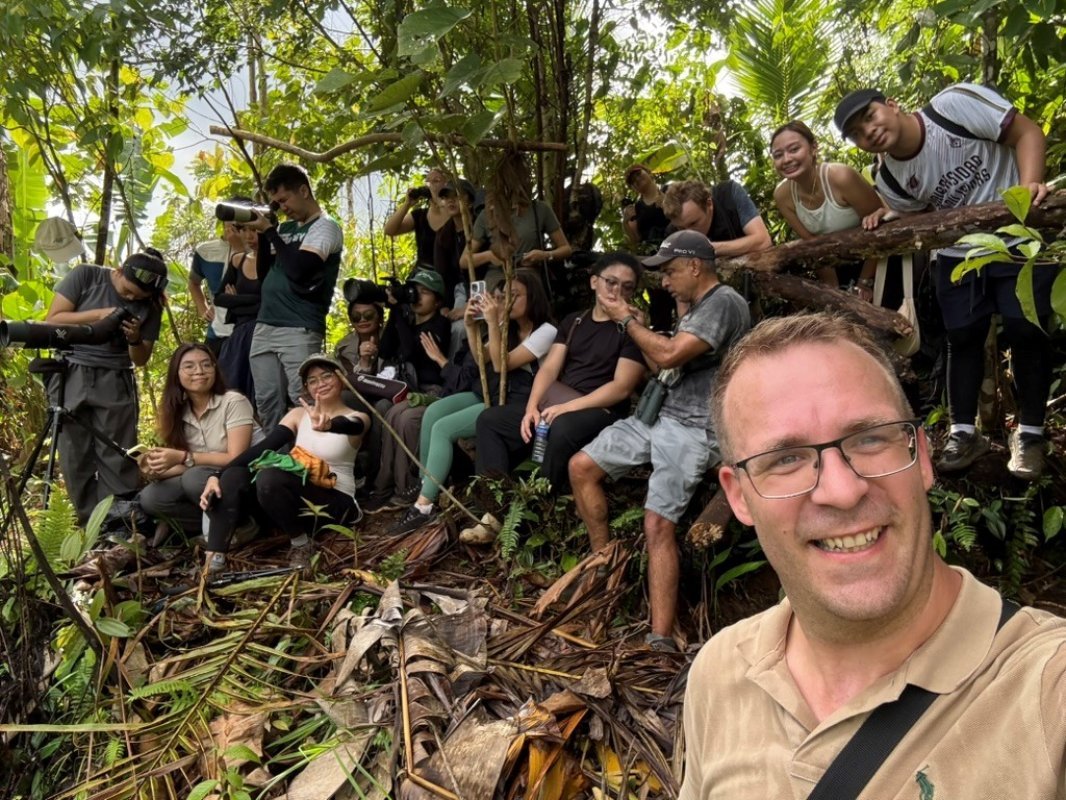
Aspiring biologists (students) at the observation point before the release of an eagle
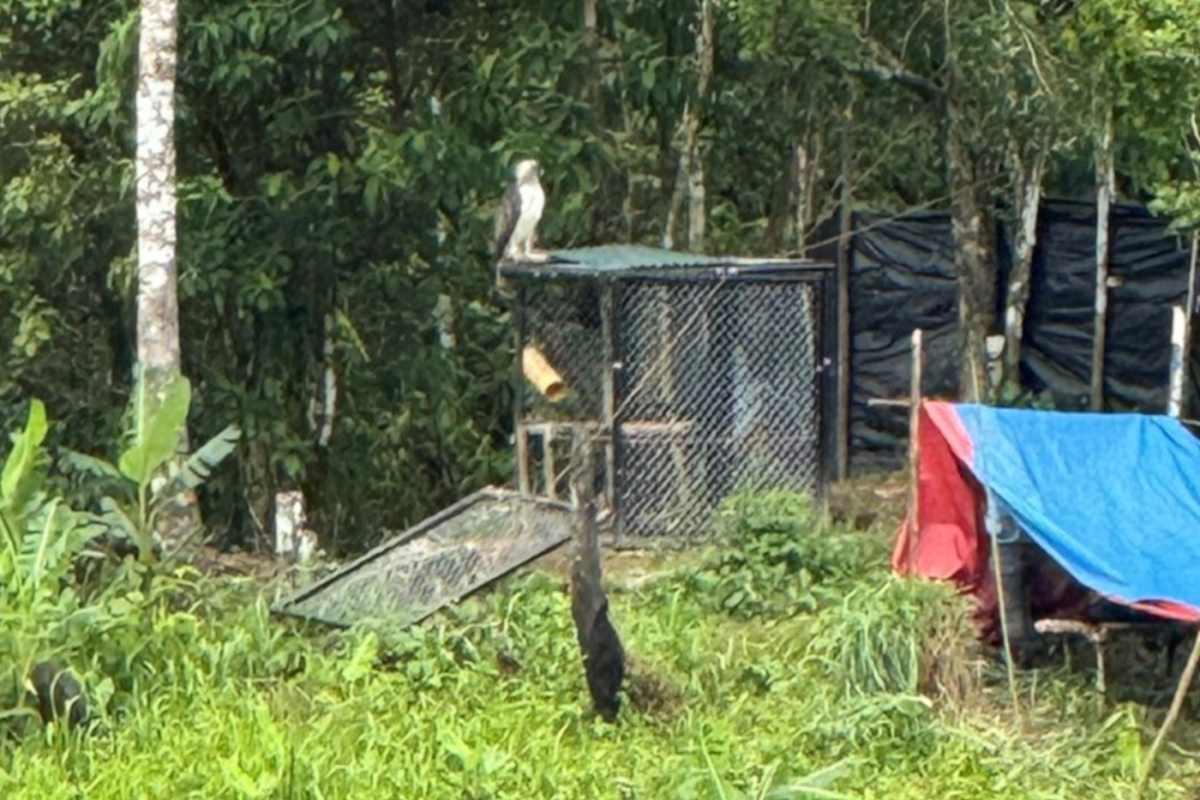
Eagle after the gate opening